Cryopreservation
Cryopreservation is a modern method of long-term preservation of germ cells and embryos for their further use in in vitro fertilization (IVF) protocols and the possibility of having children at a later reproductive age. This method provides high rates of pregnancy and allows couples to plan their lives and give birth to children when they are ready for it.
At the Reprolife, a Private Clinic of the Reproductive Medicine in Kyiv, patients can use the services of freezing (cryopreservation) of genetic material and storing it in a cryobank, which is equipped according to the highest international standards, which provides our patients with the best indicators of the effectiveness of pregnancy and the birth of healthy children in families.
What is cryopreservation?
The essence of the process consists in freezing reproductive cells or embryos in an environment with liquid nitrogen, which has a temperature of -196°C. In this mode, all biological processes are stopped, so the samples are stored for many years in an unchanged state. At the right time, they are taken out of the cryobank, thawed and used for the IVF program. The cost of the service depends on the amount of material and the duration of storage.
The Reprolife, a Reproductive Medicine clinic uses a modern method of freezing – vitrification. This method takes place in an ultra-fast mode with the addition of a cryoprotectant, a special substance that prevents the formation of ice crystals and damage to the biomaterial.
Cryopreservation of cells allows you to preserve genetic material and provides high efficiency in the possibility of planning children at a later reproductive age. After thawing, spermatozoa, oocytes and embryos have the same viability and properties as fresh cells.
Advantages of cryopreservation:
- preservation of high-quality oocytes and sperm for the future, especially in the presence of infertility risk factors (the need for cancer treatment, dangerous occupations, chronic diseases);
- preservation of cells or embryos for carrying out various options of assisted reproductive technologies (ART);
- the possibility of embryo transfer in the future, after the birth of a child without stimulation of the ovaries (if the couple still has embryos after the IVF program);
- delayed motherhood, if there is currently no possibility of having a child;
- the possibility of using donor reproductive cells with low quality of own cells;
- unlimited time of storage of biological material without violation of its biological ability to fertilize and the possibility of having children in the future.
Cryopreservation of embryos
Preservation of embryos in a cryobank is recommended:
- when receiving several fertilized oocytes of high quality, which cannot be simultaneously transferred into the uterine cavity;
- with delayed transfer of embryos due to the woman’s unpreparedness for pregnancy or the presence of medical contraindications;
- when planning the transfer of embryos in the surrogate motherhood program (if screenings are available).
Cryopreservation of eggs
The reserve of healthy oocytes significantly decreases after 30 years, under the influence of negative external factors, diseases, toxins and some medications. A decrease in the number and quality of eggs occurs in all women and is a natural phenomenon. Unlike male germ cells (sperm), female germ cells (oocytes) are not renewed, new eggs are not produced, and their quality decreases. Vitrification allows a woman to preserve quality germ cells at a young age in order to plan a pregnancy later.
Cryopreservation is also recommended when it is impossible to obtain eggs and sperm at the same time for in vitro fertilization, the couple wishes to have spare biomaterial for future IVF programs.
Cryopreservation of sperm
Sperm freezing is performed in the presence of risk factors for fertility disorders caused by diseases or lifestyle features. A man who is concerned about his reproductive health can save the genetic material to use in the future when the couple plans to have a child. Frozen cells are used both for IVF programs and for intrauterine insemination (IUI).
How cryopreservation takes place: the main stages
- Examination. Before starting the preparation for vitrification, there is a reproductive health examination, which is different for men and women.
- Obtaining cells. Women are prescribed a follicular growth stimulation protocol (lasting 10-11 days) and aspiration (puncture of follicles) – usually performed on day 14-15 of the menstrual cycle to obtain mature oocytes (eggs). Men must submit a sperm sample at the clinic.
- Cryopreservation. Processing of biomaterial with cryoprotectants, fixation on a special cryo carrier and quick freezing in liquid nitrogen.
- Cryopreservation. Storage of individual containers with cells or embryos in the Reprolife cryobank at a constant temperature.
Make an appointment with a reproductive specialist
Cryopreservation is provided by reproductive doctors and embryologists with many years of experience using the most modern technologies, which allows our patients to obtain the highest rates of fertilization and birth of children. Specialists of the Reprolife Clinic carefully adhere to the standards of technology, which allows you to preserve the possibility of having healthy children in the future, guarantees obtaining high-quality genetic material and its successful cryopreservation for many years. To discuss the possibilities of vitrification in your situation, clarify the price and other details of the service, make an appointment for a consultation with a reproductive specialist in Kyiv.
Наши врачи

chief medical officer, leading reproductologist, gynecologist, endocrinologist, MD, PhD. ; main specialty: gynecological endocrinology, treatment of infertility due to premature decline/insufficiency of ovarian function, treatment of embryo implantation disorders.



Obstetrician-gynecologist of the highest category, reproductive specialist. Main specialization: gynecological endocrinology — diagnosis and correction of conditions related to PCOS, premenstrual syndrome, ovarian-menstrual cycle disorders, endometriosis, correction of conditions related to different stages of menopause, ovarian cysts. Treatment of all forms of infertility and recurrent pregnancy loss.

Obstetrician-gynecologist, reproductive specialist. Main specialization: gynecology, infertility treatment, endocrine gynecology, pregnancy management (including pregnancy after IVF)

Obstetrician-gynecologist, reproductive specialist, ultrasound diagnostics expert. Main specialization: endocrine gynecology, management of high-risk pregnancies, diagnosis and treatment of all types of infertility, hysteroscopic treatment of uterine diseases
Read also:
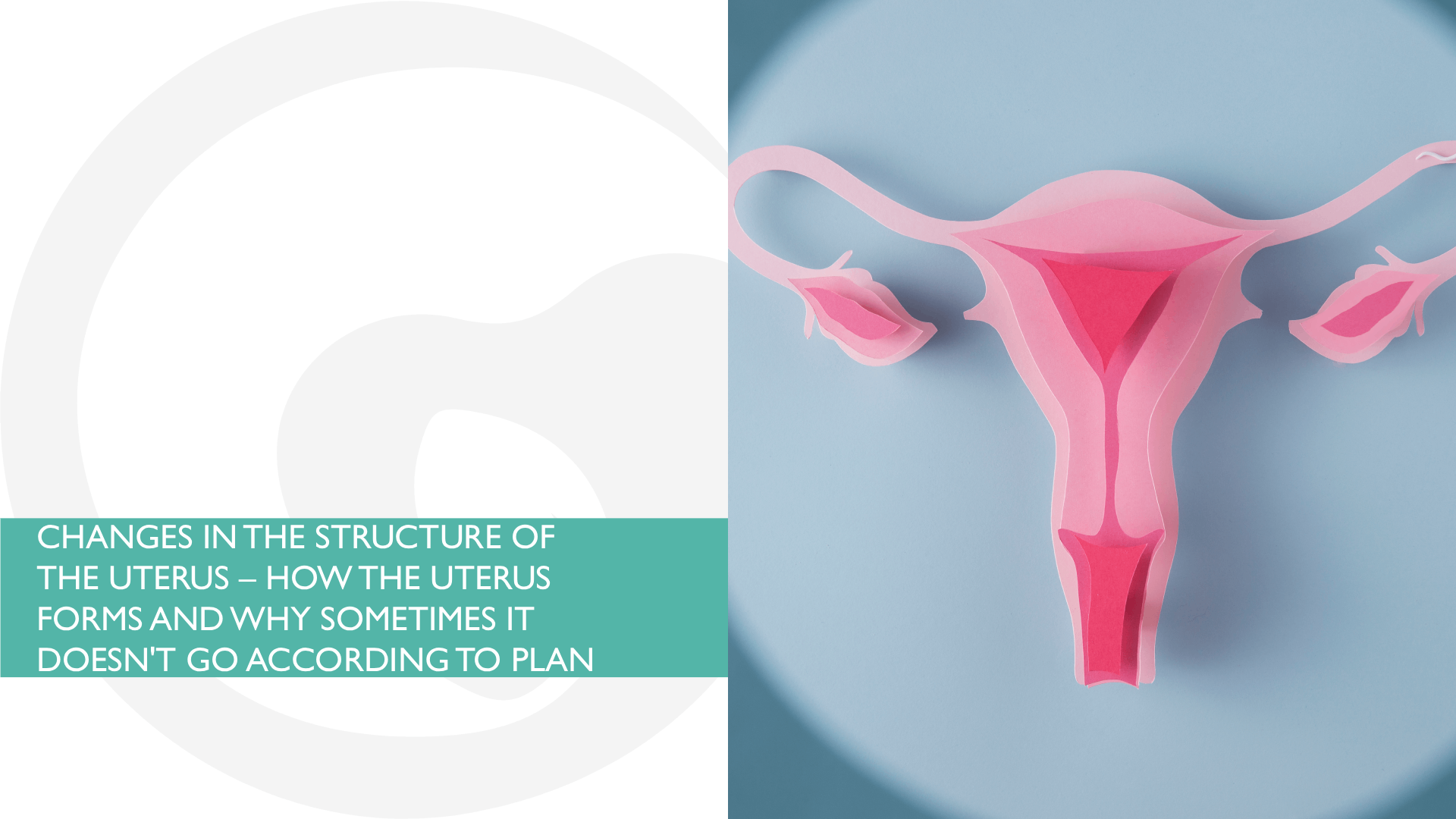
When we talk about fertility, the focus most often shifts to hormones, eggs, age or the structure of the uterus.

The story of a patient with critically low AMH, where the first failure was not the end — but the point from which a different treatment strategy began.
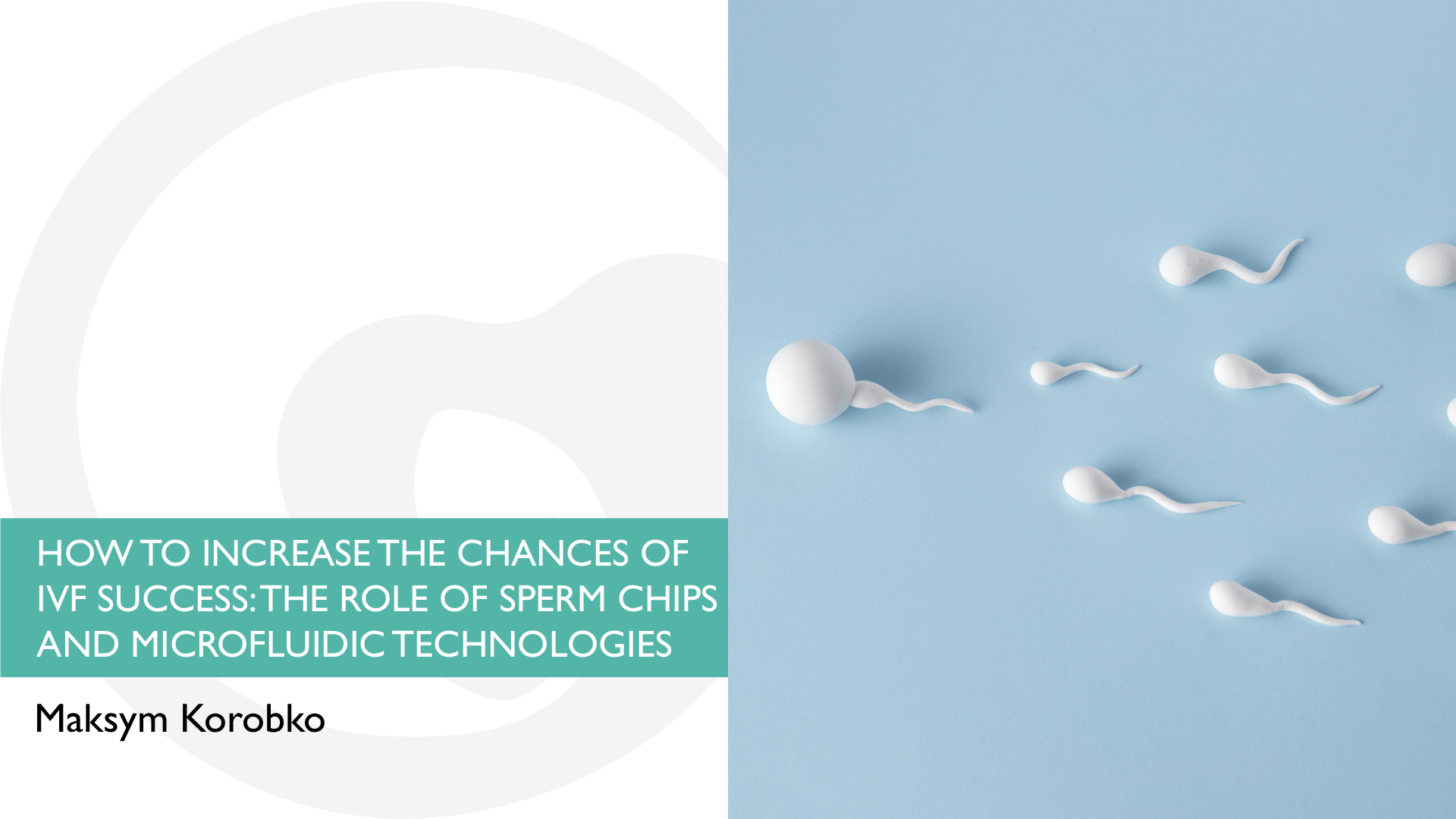
Microfluidic sperm chips are not a universal solution and do not completely replace traditional sperm preparation methods