IVF program with a segmented protocol (including embryo transfer)
What is a segmented IVF protocol?
Stages of the segmented protocol:
1. Consultation with a Reproductive Specialist
- Evaluation of reproductive health with 3D pelvic ultrasound.
- Conducting tests, including hormone level assessment (AMH, FSH, LH, estradiol, etc.).
- Planning an individualized follicle growth stimulation protocol.
2. Controlled Ovarian Stimulation
- Prescribing a personalized hormonal medication regimen. Follicle growth stimulation lasts for 10-12 days.
- Regular monitoring of follicle development via ultrasound (folliculometry) conducted 2-3 times during stimulation.
- Administering the trigger injection for final oocyte maturation.
3. Follicle Aspiration
- Performed under light anesthesia (sedation).
- Oocytes are retrieved from the follicles under ultrasound guidance.
- Follicle aspiration lasts approximately 10-15 minutes, and the woman can return to her daily activities after 1-2 hours.
4. Fertilization and Embryo Culturing
- Oocytes are fertilized with sperm from the partner or donor using the ICSI method.
- Embryos are cultured in a controlled embryology environment for 5-6-7 days until reaching the blastocyst stage.
- If necessary, a biopsy of the trophoectoderm (future placenta) is performed for pre-implantation genetic testing (PGT-A) to exclude chromosomal disorders and transfer a euploid (chromosomally healthy) embryo.
5. Vitrification (Rapid Freezing) of Embryos
- Embryos at the blastocyst stage are frozen using vitrification.
- This method ensures high survival rates of embryos after thawing.
- Embryos can be stored in the clinic’s cryobank for many years.
6. Preparation for Embryo Transfer
- An individualized protocol is designed for endometrial preparation for embryo implantation.
- Hormonal levels and the state of the endometrium are monitored. Ultrasound monitoring of the endometrium occurs twice before embryo transfer into the uterus. Estradiol, progesterone, and coagulation tests are performed 5-6 days before the embryo transfer.
- The optimal day for embryo transfer is determined.
7. Embryo Transfer into the Uterus
- Embryo transfer into the uterus typically occurs on day 19-20 of the menstrual cycle. It is completely painless and performed under ultrasound guidance with a full bladder.
- The procedure takes a few minutes and does not require hospitalization.
- A pregnancy test is conducted 12-14 days later to confirm pregnancy.
Advantages of the segmented protocol:
Conclusion:
The segmented IVF protocol is an effective and safe method that significantly increases pregnancy success rates. Thanks to the use of modern vitrification technologies, embryos can be preserved for many years without losing viability. This is especially important for women with low ovarian reserve or those who wish to preserve embryos for future family planning.
Reprolife Medical Center offers the most advanced infertility treatment methods, a personalized approach to each patient, and high pregnancy success rates. The pregnancy success rate for transferring a euploid (chromosomally healthy) embryo into the uterine cavity at our clinic is 78.6%. Our team of professionals will support you at every stage until the birth of your child!
Cost of the program:
| Medical Service and Its Components | Quantity |
|---|---|
| Transvaginal follicle puncture (TVP) in the IVF program (without the cost of embryology support and intravenous anesthesia) | 1 |
| Intravenous anesthesia up to 30 minutes | 1 |
| Cost of embryology support for transvaginal follicle puncture (TVP) | 1 |
| Preparation of sperm for the IVF program | 1 |
| Intracytoplasmic sperm injection (ICSI) (up to 10 eggs) | 1 |
| Embryo cultivation in the IVF program up to the blastocyst stage | 1 |
| Cryopreservation of embryos by vitrification (1 cryotube) | 1 |
| Thawing and cultivating of embryos | 1 |
| Embryo transfer | 1 |
| IV drip setup #3 | 1 |
| Total Cost | 75,070 |
Program Specialists

chief medical officer, leading reproductologist, gynecologist, endocrinologist, MD, PhD. ; main specialty: gynecological endocrinology, treatment of infertility due to premature decline/insufficiency of ovarian function, treatment of embryo implantation disorders.
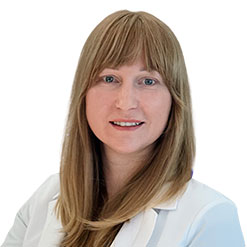
Obstetrician-gynecologist of the highest category, reproductive specialist. Main specialization: gynecological endocrinology — diagnosis and correction of conditions related to PCOS, premenstrual syndrome, ovarian-menstrual cycle disorders, endometriosis, correction of conditions related to different stages of menopause, ovarian cysts. Treatment of all forms of infertility and recurrent pregnancy loss.

Obstetrician-gynecologist, reproductive specialist. Main specialization: gynecology, infertility treatment, endocrine gynecology, pregnancy management (including pregnancy after IVF)

Obstetrician-gynecologist, reproductive specialist, ultrasound diagnostics expert. Main specialization: endocrine gynecology, management of high-risk pregnancies, diagnosis and treatment of all types of infertility, hysteroscopic treatment of uterine diseases