Table of contents
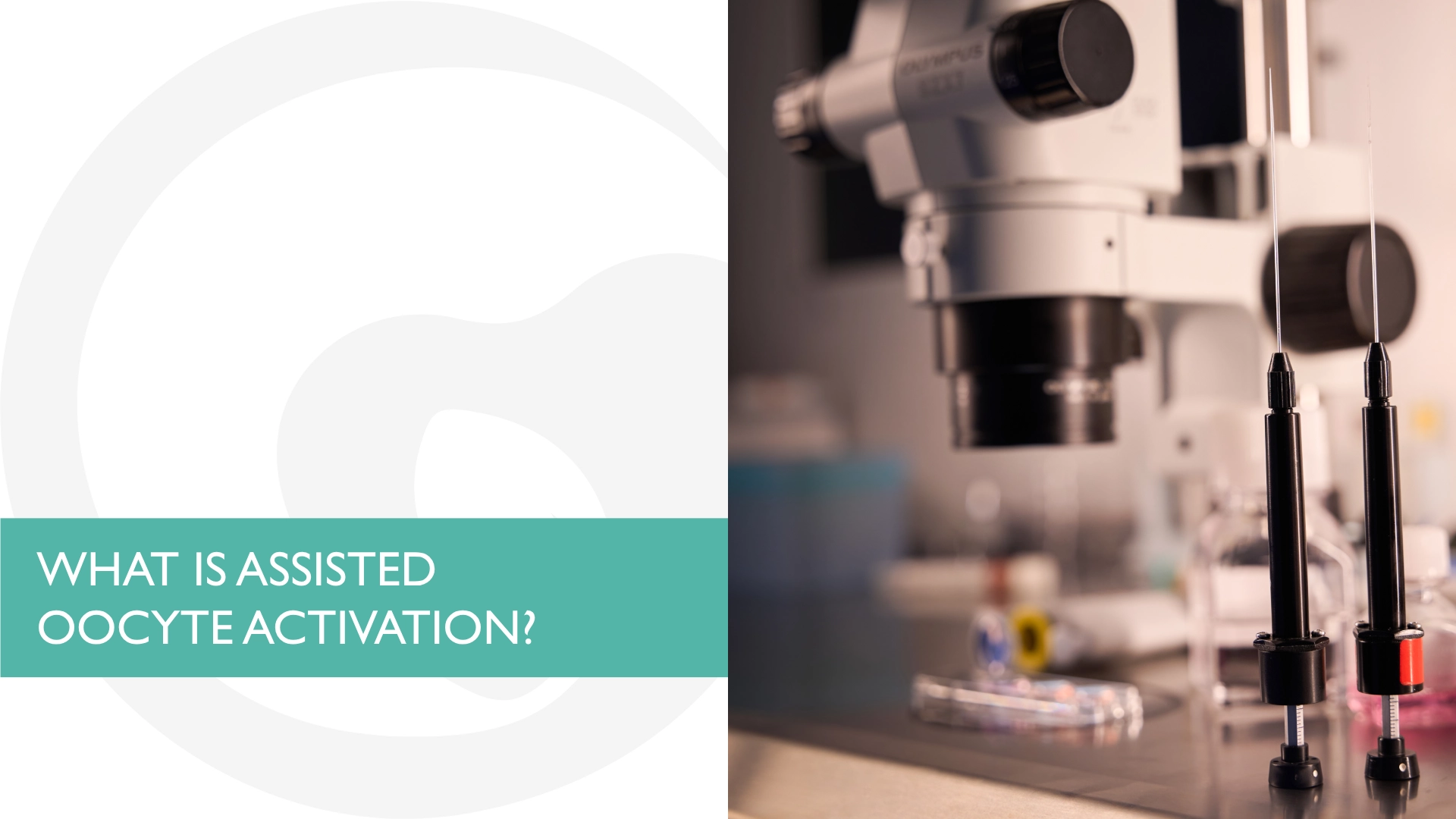
What is Assisted Oocyte Activation?
Assisted oocyte activation (artificial oocyte activation, AOA) is a method used in reproductive medicine to stimulate oocytes for further development or to activate them for fertilization when their natural mechanisms are not functioning properly.
Assisted oocyte activation is performed using either calcium ionophore or PIEZO activation.
How does the AOA method using calcium ionophore work?
Calcium ionophore is a substance that stimulates intracellular calcium signaling, which is critical for normal oocyte activation after fertilization.
When a sperm cell penetrates the oocyte, the calcium levels inside the cell rise, triggering the processes necessary for its development. However, in some cases, oocytes cannot generate this calcium signal on their own, resulting in fertilization failure.
Using calcium ionophore allows calcium to enter the cell artificially, restoring the natural mechanism of oocyte activation. This helps initiate biochemical processes that promote the subsequent development of the embryo.
Piezo Activation
Piezo activation is a technology used for oocyte activation in reproductive medicine, mainly during ICSI (intracytoplasmic sperm injection).
How the method works:
Piezo activation involves the use of a mechanical impulse to activate the oocyte. A specialized device generates microscopic mechanical vibrations that are transmitted to the oocyte.
During the procedure, the sperm is injected into the oocyte cytoplasm using microinjection, followed by a piezo impulse to ensure oocyte activation. The mechanical stimulus triggers intracellular processes, including calcium level changes, which are critical for the oocyte’s further development after fertilization.
When is Assisted Oocyte Activation Used?
- Previous IVF failures (low or absent fertilization after ICSI).
- Use of cryopreserved oocytes.
- Severe asthenozoospermia, oligozoospermia, or teratozoospermia in men or diagnosed insufficient activity of enzymes responsible for oocyte activation.
- Pronuclear transfer techniques.
- Use of spermatids (immature sperm cells) for fertilization.
Patients of advanced reproductive age.
What are the benefits of assisted oocyte activation?
- The method can increase the chances of success in in-vitro fertilization (IVF) for patients with oocyte activation issues. AOA significantly improves fertilization rates in cases of previous ICSI or IVF failures.
- It helps prevent certain genetic abnormalities and increases the likelihood of normal fertilization and embryo development.
- Safety and efficiency: When performed correctly, the procedure does not harm the quality of oocytes or embryos.
What Should Patients Know About Assisted Oocyte Activation?
- The AOA method is prescribed individually after a thorough analysis of previous treatment outcomes.
- The success of AOA depends on many factors, including the patient’s age, and the quality of oocytes and sperm.
- AOA is often used in combination with other reproductive medicine methods to achieve the best results.
At Reprolife, we are committed to delivering the best outcomes for our patients. By utilizing cutting-edge technologies, including assisted oocyte activation, we help make your dream of parenthood a reality.
Our reproductive specialists are happy to provide you with a detailed consultation and develop a personalized treatment plan. Trust us — together, we will overcome all challenges on your path to parenthood.