Blog & News
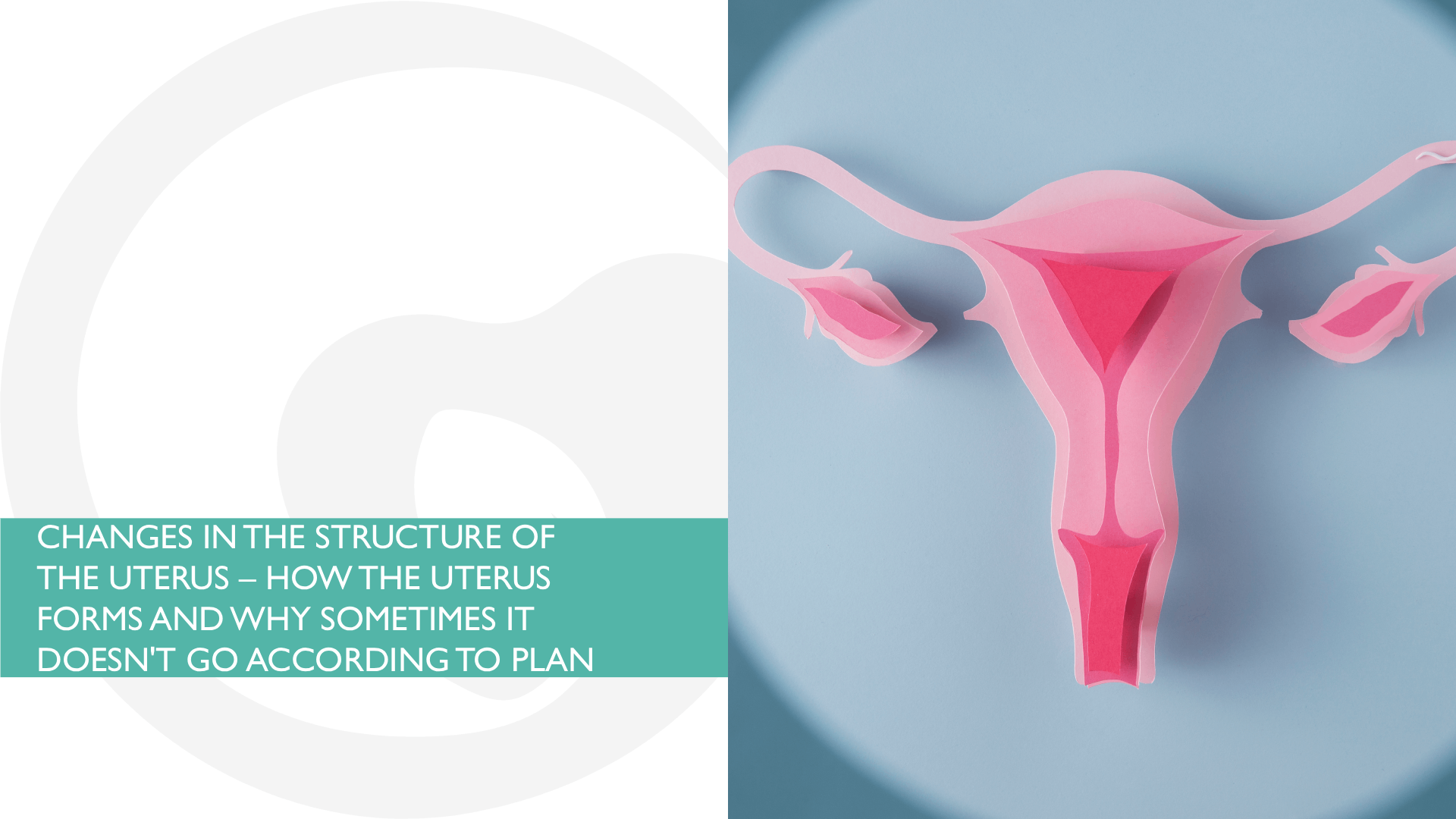
Changes in the structure of the uterus – how the uterus forms and why sometimes it doesn’t go according to plan.
When we talk about fertility, the focus most often shifts to hormones, eggs, age or the structure of the uterus.
Survival or motherhood: why the body may “postpone” pregnancy during stress
In reproductive medicine, there are situations that are difficult to explain by numbers alone. A woman comes in with normal or near-normal tests, regular check-ups — yet goes years without a pregnancy.
Cholesterol: good and bad. Norms, lipid profile, atherogenic coefficient and when treatment is needed
What high cholesterol means, how to read a lipid profile, what the atherogenic index is. Explained by Dr. Anna Vitaliivna Sharhorodska.

Normal progesterone and estrogen levels for cryo-embryotransfer and their impact on pregnancy success
In the effectiveness of the IVF program, preparation for frozen embryo transfer (FET) requires not only the correct endometrial thickness...

How to Properly Use OZEMPIC
Ozempic, Mounjaro, and Wegovy are innovative medications that open new possibilities in controlling type 2 diabetes and effective weight loss.

Short Cervix and Pregnancy Planning
The cervix is an anatomical part of the uterus that should remain tightly closed throughout pregnancy and hold the fetus in the uterine cavity.

Why may pregnancy not occur with PCOS?
Polycystic Ovary Syndrome (PCOS) is a common endocrine disorder in young women. Yes, young women, because as women age, their egg reserve decreases, and over time, the number of follicles in the ovaries tends to reduce, even for those who had a very strong reserve.

Hydrosalpinx: What You Need to Know Before Starting an IVF Program
Hydrosalpinx is an inflammatory condition of the fallopian tubes in which they become filled with fluid and expand.

What Is Ovarian Rejuvenation with PRP for Infertility Treatment?
Ovarian treatment with Platelet-Rich Plasma (PRP) is an innovative method in reproductive medicine.

Mammological Screening: Mammography or Ultrasound?
For young women without significant family or personal cancer risks, ultrasound is the optimal method for monitoring breast health. Mammography is generally not recommended for women under 35.