
Table of contents
What Is Hydrosalpinx and Why Does It Occur?
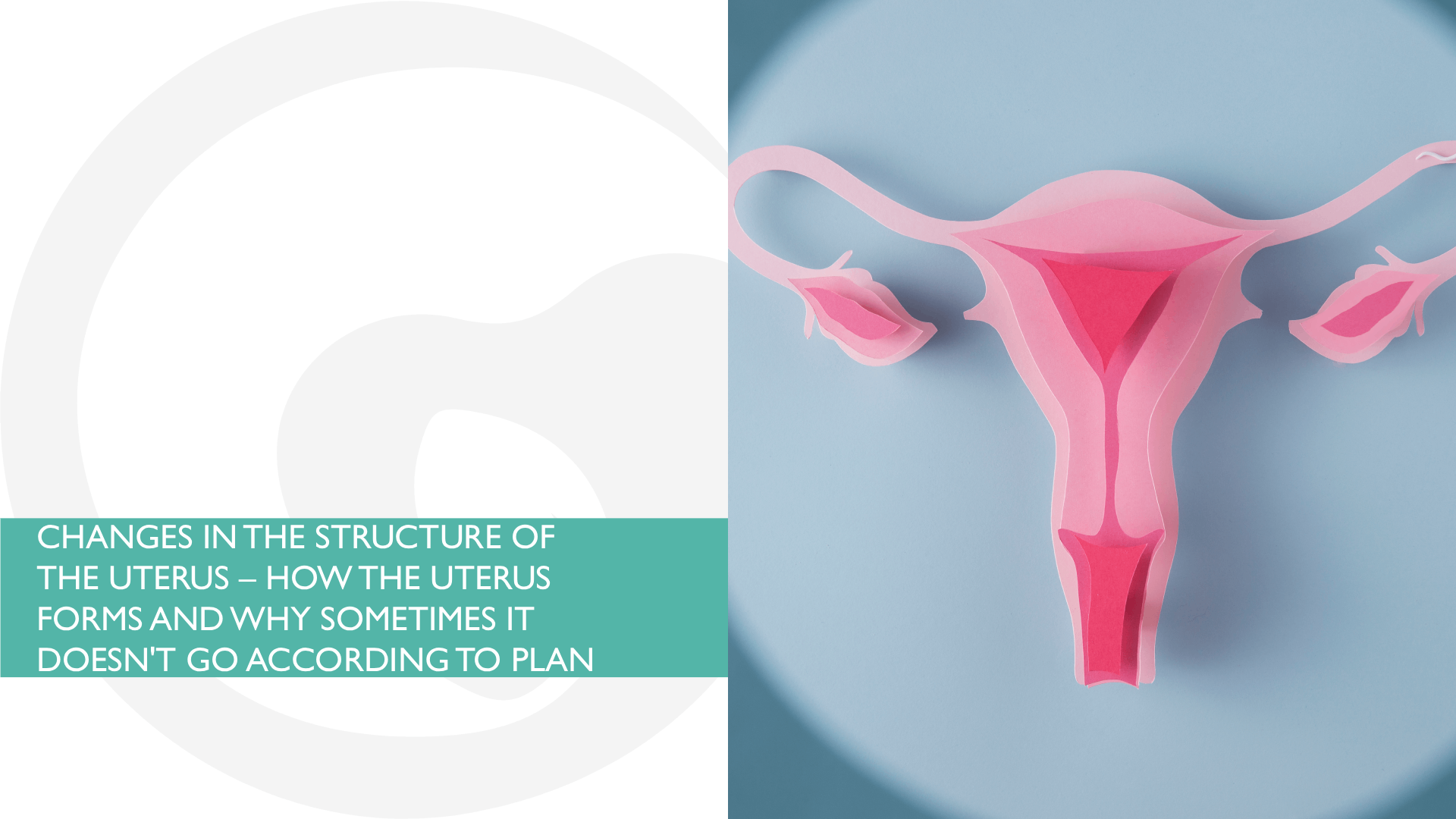
Hydrosalpinx is an inflammatory condition of the fallopian tubes in which they become filled with fluid and expand. When a fallopian tube (salpinx) fills with fluid, it leads to tubal obstruction and creates a toxic environment that can negatively impact embryo quality and implantation, significantly reducing the chances of successful fertilization. This condition poses a major barrier to motherhood, as the fallopian tubes play a crucial role in fertilization and embryo transport to the uterus.
According to WHO research, hydrosalpinx affects approximately 30% of women with tubal infertility. In countries with advanced medical care, this rate may be lower due to early detection and prevention of infections that cause tubal inflammation. The main causes of hydrosalpinx include:
- Sexually transmitted infections such as chlamydia or gonorrhea
- Previous pelvic surgeries
- Endometriosis and its complications (a condition where the uterine lining grows outside the uterus)
- Congenital abnormalities of the fallopian tubes
- Ectopic pregnancy or its consequences
Treatment of hydrosalpinx typically involves surgical intervention or other methods aimed at improving fertility and increasing the likelihood of a successful pregnancy. In some cases, removal of the affected tube may be recommended to enhance implantation success.
Symptoms:
Many women with hydrosalpinx experience no symptoms, and the condition is often diagnosed during an infertility evaluation. However, some possible symptoms include:
- Lower abdominal or pelvic pain
- Unusual vaginal discharge
- A feeling of heaviness in the pelvic area
How Is Hydrosalpinx Diagnosed?
Hydrosalpinx diagnosis is based on:
- Ultrasound (US) – detects fluid-filled tubes with an accuracy of approximately 70-85%, depending on equipment quality and the specialist’s experience.
- Echosalpingoscopy – assesses tubal patency using a saline solution.
- Hysterosalpingography (HSG) – a radiological test with contrast dye to evaluate the fallopian tubes.
- Laparoscopy – the “gold standard” for precise diagnosis and treatment.
Does Hydrosalpinx Affect IVF Success?
Yes, hydrosalpinx significantly reduces IVF success rates due to:
- Impaired embryo implantation – fluid from affected tubes alters the uterine environment. Chronic inflammation or infections associated with hydrosalpinx may affect the endometrium (the inner uterine lining), making implantation more difficult.
- Toxic fluid exposure – the fluid within the fallopian tube may contain toxic substances that damage embryo cells, increasing the risk of implantation failure or embryo rejection.
- Higher risk of complications – inflammation can lower pregnancy success rates.
- Increased miscarriage risk – untreated hydrosalpinx raises the risk of miscarriage due to an unfavorable implantation environment, infection risks, and poor blood supply to the embryo.
Should Hydrosalpinx Be Removed Before IVF?
Studies show that salpingectomy (surgical removal of affected tubes) before IVF:
- Increases implantation and pregnancy success rates
- Reduces the toxic effects of hydrosalpinx fluid
- Improves endometrial receptivity by increasing the expression of HOXA10, a molecule essential for embryo implantation
Hydrosalpinx Treatment Options and Their Effectiveness
Several treatment methods are available:
- Medication therapy – used for active infections but has limited effectiveness for chronic hydrosalpinx.
- Laparoscopy – a minimally invasive surgical procedure to remove or restore tubal patency. Its effectiveness depends on the degree of tubal damage and the surgeon’s expertise. However, due to the high risk of tubal fluid recurrence and ectopic pregnancy, salpingectomy is recommended in chronic hydrosalpinx cases.
- Salpingectomy – complete removal of the affected fallopian tube before IVF, significantly increasing the chances of conception.
Recommendations for Women with Hydrosalpinx
- Undergo regular check-ups, even if no symptoms are present.
- Choose experienced specialists for diagnosis and treatment.
- Follow your doctor’s recommendations for IVF preparation.
Successful Pregnancy Is Possible
Modern medicine offers real chances for successful pregnancy despite hydrosalpinx, thanks to advanced technologies such as high-precision laparoscopy for removing affected tubes, methods for improving embryo quality, and specialized IVF preparation protocols. Proper diagnosis and treatment significantly enhance these chances.
On average, treatment duration can range from a few weeks to several months, depending on the severity of the condition. Expected outcomes include a substantial increase in pregnancy success rates.
At Reprolife Clinic, our specialists are ready to support you every step of the way on your journey to motherhood. Contact us for a consultation and receive expert medical care tailored to your needs!