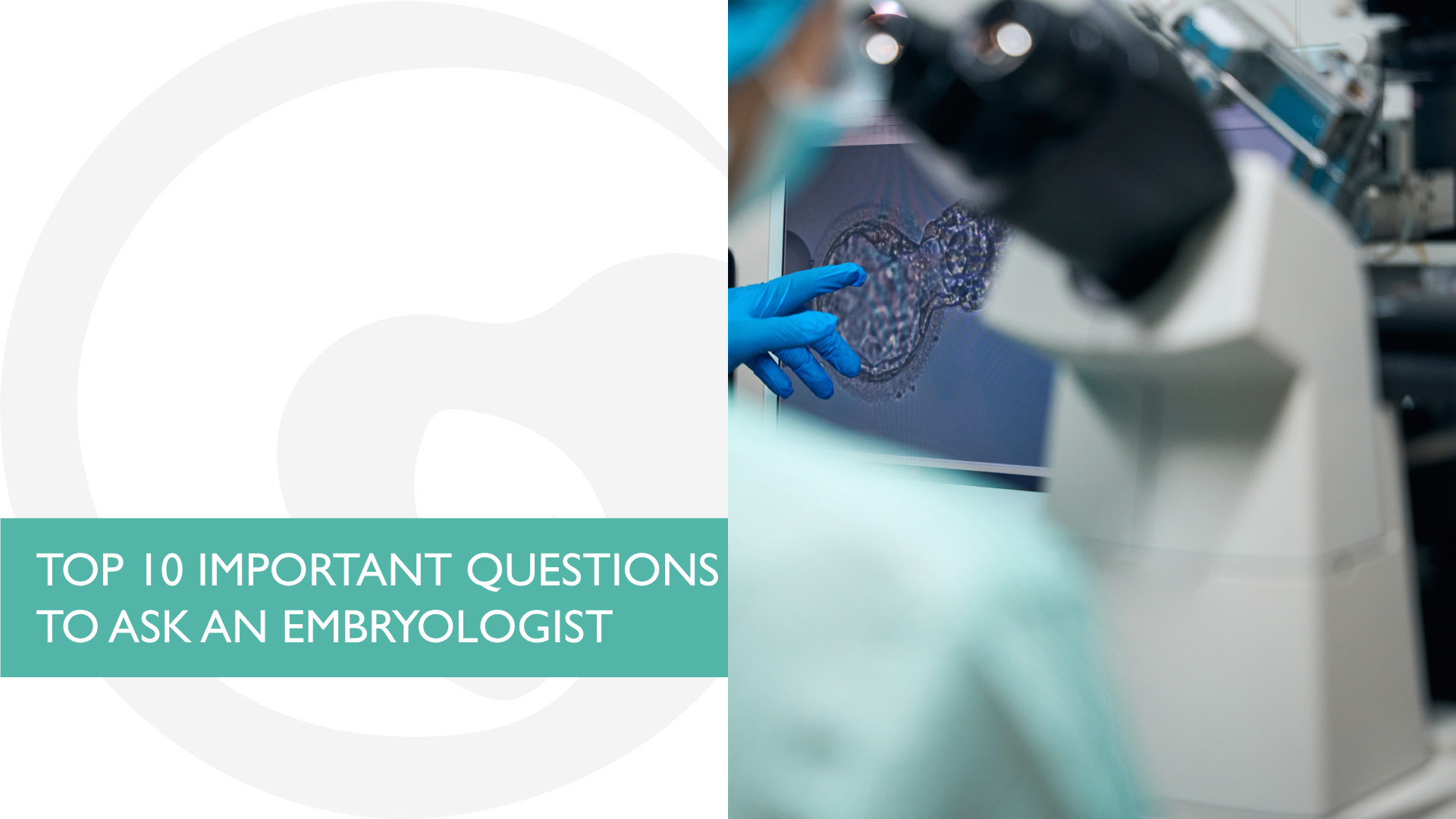
TOP 10 IMPORTANT QUESTIONS TO ASK AN EMBRYOLOGIST

Top 10 important questions to ask an embryologist

1. How is the best embryo selected for embryo transfer?

Embryos are evaluated based on morphology and developmental stage. Ideally, a blastocyst (an embryo on day 5–6 of development) is selected.
Optimal embryo quality: 3AA, 4AA, 5AA, 6AA.
Good quality: 3AB, 3BA, 4AB, 4BA, 5AB, 5BA, 6AB, 6BA.
Average quality: 3BB, 4BB, 5BB, 6BB.

2. Does a woman’s age affect embryo quality?

Yes, as age increases, the quality and quantity of eggs decrease, which can affect embryo quality. After the age of 35, this impact becomes more pronounced.

3. Why don’t all embryos develop normally?

The reasons may be genetic, related to the quality of the oocyte or sperm, or external factors. Embryo development and proper cell division require significant energy. This energy is provided exclusively by mitochondria inherited from the egg, and the energy reserve is determined during fetal development. It significantly decreases after the age of 35.
Harmful factors such as smoking, excessive consumption of methylxanthine-containing products (coffee, cola, black tea), alcohol, chronic stress, prolonged lack of sleep, and certain toxic medications irreversibly reduce the energy reserve in the mitochondria of eggs.
It is important to note that even in natural conception, not all embryos reach the blastocyst stage (5–7 days of development).

 4. Can embryo quality be improved?

Embryo quality is influenced by the health of the parents, including proper nutrition, avoiding stress, abstaining from alcohol and smoking, and optimal stimulation during the IVF protocol. In certain situations, we recommend priming (preparing the woman’s body to improve response to stimulation and optimize egg quality) before follicle growth stimulation.

5. Is there a risk of birth defects in children conceived through IVF?

The risk is low and is the same as in natural conception. Additional tests, such as preimplantation genetic testing (PGT), help reduce these risks by allowing the transfer of a euploid (chromosomally healthy) embryo.

 6. What is the difference between ICSI and traditional fertilization?

In ICSI, a sperm cell is directly injected into the egg. In traditional fertilization, sperm cells naturally fertilize the egg in embryological conditions.

7. How many embryos can be transferred at once?

Usually, one embryo is transferred to avoid multiple pregnancies. In some cases (e.g., age or previous failures) and in the absence of contraindications for carrying twins, two embryos may be transferred.

8. What are the options for women who no longer have their own eggs?

In such cases, donor eggs can be used. These can be fertilized with the partner’s or donor’s sperm for subsequent embryo transfer.

9. How are embryos frozen?

Embryo vitrification is a process of ultra-rapid freezing used in reproductive medicine for long-term preservation of embryos. Vitrification is a modern technology that prevents water crystallization inside the embryo’s cells, which could damage its structure and lead to cell death.

10. When and why is laser-assisted hatching performed?

Laser-assisted hatching is a method of creating a small opening in the outer shell of the embryo using a laser, facilitating the embryo’s exit from this shell and improving its ability to implant into the uterine lining (endometrium). This method is used on day 3 of embryo development before a trophectoderm biopsy on day 5–6 for subsequent preimplantation genetic testing (PGT-A).

Read also:

Normal progesterone and estrogen levels for cryo-embryotransfer and their impact on pregnancy success

In the effectiveness of the IVF program, preparation for frozen embryo transfer (FET) requires not only the correct endometrial thickness...

Who determines the sex of the child — the mother or the father?

The sex of the child is determined by the father's sperm — and so far we cannot influence this during natural conception.

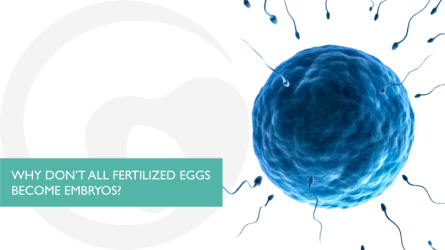
Why Don’t All Fertilized Eggs Become Embryos?

Even with ideal fertilization, not all eggs complete the full developmental cycle. Why does this happen? Let’s take a closer look.

Endometrial hypoplasia: what are the causes and the most modern methods of treatment.

Endometrial hypoplasia is a condition where the uterine lining does not reach the necessary thickness and functionality for successful embryo implantation.

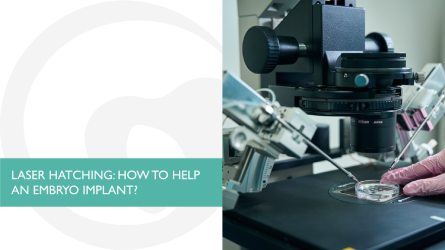
Laser hatching: How to help an embryo implant?

Laser hatching is a modern technology that increases the chances of successful implantation and the birth of healthy children.